Matt Bowles: My guest today is Marissa Davies. She is a real estate investor, agent and entrepreneur who has been building her rental property portfolio for over 15 years. She became a homeowner in 2011 and immediately began house hacking and then started buying rental properties in out of state markets and building her portfolio across the U.S. Today she teaches a focused investment philosophy centered on long term wealth building through real estate and the advantages of strategic relocation.
Marissa, welcome to the show.
Marissa Davies: Thank you. You make me sound amazing. I appreciate you.
Matt Bowles: Well, you are doing all sorts of inspiring things. I am super excited to have this coming conversation with you. I would love to begin just by giving folks a little bit of background on you, can you talk about where you’re from, where you grew up and what ultimately led you to decide to buy your very first property?
Marissa Davies: Yeah, definitely. Thanks. So, I grew up in the LA area, Torrance more specifically, which is kind of like a suburb outside the city. And I was there my whole childhood. And then I moved to Temecula when I was 17, end of that year after I graduated and then I spent the next, I can’t, 15, 17 years, something like that, before I moved to Nashville, which was more recently. So that’s, that’s a little bit about my background. And as far as coming into my first property, I think I always knew I wanted to be a homeowner and I just renting the idea, I kind of wrap my head around it early. I think I wrap my head around the fact that renting is, you know, paying money in exchange for being able to live somewhere and that purchasing a home is an investment where you’re putting money towards something that you actually own. It’s also a tangible asset, which I love. So, I kind of wrap my head around it and that was my goal was, you know, to be a homeowner. I was very lucky for my first property and this was a primary residence for my first property to be able to have some family help. So that was something that was very helpful at the beginning of my investing journey that I’m so grateful for because I know that not everybody gets that, you know.
Matt Bowles: Well, you and I have a very similar origin story because our first properties we both decided to buy a primary residence to live in and then to house hack it. Can you explain what that term means if people are not familiar with it and then how you came upon that idea and how it went for you?
Marissa Davies: Heck yeah. Okay, cool. House hacking is one of my favorite things. Because when I house hacked, the word wasn’t there. So, we didn’t know what house hacking was then. You know, rent by the room or whatever. Yeah, exactly. So, it’s like the word wasn’t there yet. And when I went to go buy my house, I knew I was over buying as a house perspective, because I could have very well bought a small condo or whatever. I’m unfortunately for others, you know, the 2008 whole collapse was awful. And the remnants of it was still going on in 2011 when I was able to buy my first home. So, I was able to purchase my home in 2011. I bought a lot more than I needed. And I kind of in my head was like, okay, well, if I rent the room to, you know, a couple different of my girlfriends, which would be. It was more about it being awesome than it was about the money, but it just made mathematical sense, and I kind of just took a leap of faith and hoped that it would be all right. And. And it was. It was more than all right.
So, you know, I did that and did the rent by the room type of thing, which was amazing, to help with the mortgage payment that I had on the home. And I also got to have, you know, the big suite in the house and still be paying close to what they were paying. They were paying toward my mortgage. And then, you know, as we know historically, real estate trends upward. So, I lived in that house for 10 years. I didn’t rent the room the whole time, but like I said, I was able to take advantage of the market being where it was at. And once it came to me renting, owning the home all on my own without extra help, the payment was actually manageable at that time. So, you know, that was a little bit later in life. But like I said, that was a span of 10 years, was my first kind of house hack thing that I did.
Matt Bowles: And then when and why did you decide to buy your next rental property?
Marissa Davies: Okay, so I moved in with my mom because at the time when, you know, seasons change and I had all the girls living with me and things like that, I actually had somebody else come in after that. And then, you know, that kind of just fizzled. After a few years, you get a little bit older, you’re in your later 20s or whatever, mid to late 20s, and I just started to think about life in a different way. And I’m sitting there thinking, like, I can make so much more by renting this entire house out to somebody, and I don’t have the headache of having to manage four different people in one household. So, I transitioned into that period. I actually moved back in with my mom, which was a godsend all on its own. And thank God I was, you know, she was willing to have me live with her because it just didn’t make sense. I was traveling a lot just for fun. I was also working all the time, so I was very rarely spending time at home anyhow.
And so, I moved in with her, and then I had that. Basically, my primary residence became my first rental property. And so, my next idea was flipping, which in theory is so amazing idea. It’s so cool. I don’t think anybody knows what they’re getting into, because if you watch the shows, they’re unrealistic. It’s all unrealistic. So pretty much everybody’s first slip I’ve ever heard of has been more of a lesson than it was a money maker. And I am no different. So, I bought my first home that was a flip. It was in Corona, California, which you may be familiar with knowing Southern California. And it was a little house that was a three, two, you know, ended up not being fully permitted. I mean, there was a lot of things that went up with that property that was very interesting. I bought it for, I wish I remembered the numbers for this one, but I do remember that I put in 60k, and in the end, I broke even almost. And I also do remember that it didn’t end up being a flip. It ended up being a buy and hold again. I was lucky enough to enter the market in a time where it made it easy to kind of learn them without having such challenging numbers to be able to push. Because nowadays we got to work a little bit harder as investors, which I’m cool with.
And so, I did flip that property. And I had a contractor that was, what words can I say here? That was, you know, less than par, right? So that was a challenging experience, but it was exciting, and I liked that I was able to express my creative energy by being able to kind of, like, design the way that the house looked. I had to deal with the county, which in Southern California is arguably one of the worst places to have to deal with the county. You know, to be able to say that, like, this is good enough to be permitted. The quality of it is good enough. Honestly, just crossing my fingers and hoping that they said yes. So, I was able to push for the square footage to be recorded properly. I learned a lot about choosing the right agent which is a bigger deal than some people think. And I also learned a lot about not letting anybody ever push me around or whatever else, because this guy being a contractor was a little bit challenging and he had a little bit of an ego, I think. And I really wish I would have spoken up about that.
But anyway, I was able to turn it into a little bit of a buy and hold, getting. Getting a renter in there. I had to get out of a hard money loan and into, you know, more conventional financing, more long-term financing. Excuse me. And it ended up being all right, but it was a scary time. And there was a little bit of break, as you could see, from the two 2011 primary home purchase to the 2016 flip and then to my next property after that, there was some distance as well, as far as investment properties are concerned, because lessons can make us pause, you know, so that was my first. My first one was not a flip. It was a buy and hold with the intention of a flip.
Matt Bowles: So how did that experience and all the challenges that came with it shape your next real estate investment decision and what direction you decided to go with your strategy and building your portfolio?
Marissa Davies: Yeah, you know, the insight that I got, like I said when I worked with, I think this one really was a lesson about contractors. And I know that investors kind of joke about contractors, so do agents, quite frankly, because it’s really hard to find a good one that’s solid, that will show up when they say that’ll do the job, that’ll stick to the budget and all of that kind of stuff. So, I think, you know, I had to really understand that I am looking out for me. And all these people often don’t know more than, you know. I think that that’s a misconception. This guy comes in, he has this contractor’s license, you know, he has the guys that could do the job. And so, when the bathroom tile looked like a mosaic, I just said, oh, maybe that’s the way it’s supposed to be. No, I knew that it should look cleaner than that. And what I should have done was hold the check instead of giving it to him when I was about to start the final walkthrough. All those little things. I’ll never forget his face when I handed him the check. And he kind of like looked at it for a second and was, okay, I’m putting in his back pocket, did the walkthrough that I was disappointed by, and then didn’t fix anything from there.
So, I think it just, you know, made me pause. Like, I said a little bit more as far as investing and make sure that I trust my gut a little bit more. And maybe not the. What we think may be a professional, because really it comes down to us checking our numbers. And so, the next time I bought a property, it was a primary residence. The next two times, actually. And so, I didn’t buy an actual investment property after that until 2019. So, you could see there was three years there where I trusted myself to buy my primary residence again. And yeah, I didn’t invest for a few years. And then when I did, I definitely trusted my intuition a little bit more and was a lot more skeptical. I hate to say it, but it’s like reading contracts thoroughly, you know, making sure things are in there, realizing that you can change a contract. You don’t have to just sign on the dotted line of what somebody says that this is their contract. You could say, oh, well, would you be willing to change this? If they say no, you can look for somebody else. I think that’s a big thing, realizing that you can add or subtract from a contract. It’s not, you know, you have to sign their standard kind of thing.
Matt Bowles: So, when did you initially get the idea for buying out of state rental properties that were not in your local California area? And how did you select your market?
Marissa Davies: Yeah, I love that because that would be, that’s kind of the transition into the next house that the next investment property was 2019. So, the flip situation, 2016, got a tenant in there. I actually sold that property. And then actually a family member called me and they were like, I really like what you’re doing. Because by that time I did have a couple properties under my belt and I was talking about real estate because I was totally obsessed with it. Meanwhile, I’m working in a completely different industry, working with children. But nonetheless, I was obsessed with real estate. And I had a friend call me, I’m sorry, a family member called me and say, I really like what you’re doing. I think it’s smart to be looking, you know, into the path forward and being able to plan for the future. And in making investments, you know, especially in real estate, I’m curious if you’d like to partner with me. And I had to sleep on it, but I was like, why would I say no to this?
And it gave me the courage because I was having to come to the table with a lot less going in. It was like 50-50 type of deal. It gave me the courage to cross state boundaries because I always wanted to do that. But I was hesitant and I knew that California traditionally is not the best place to invest. Not only because of the price point, but the landlord tenant laws, which, you know, some tenant laws are in place for, for good reason. I think that there’s something to be said about being a very good landlord, maintaining the property, taking care of, you know, I think that that’s very important and I need to protect myself and some of the laws I don’t necessarily agree with. So that’s kind of what made us consider a different market. And we actually went to Vegas, so it was a drive that was helpful just to feel safe wise, you know, I could be there in four hours if I need to.
And at that point we actually bought a 4 unit. So, believe it or not, in 2019 we were able to buy a 4 Plex in Vegas for 390. And we don’t regret that. Yeah, that was a lot of learning lessons. Just as far as even partnerships entities are a whole another world I won’t even get into. But you know, taxes, there’s just so many different things that you don’t know. You know, you got to file a tax trend for every state you have an investment property and you have to file in that state as well. So having a good CPA, having a good team, having a partnership agreement is something that we didn’t have that was super clean. So, it was a big learning experience. But that is how I got the courage to be able to invest in another state is having a partner that not only not only believed in me, but like was in it with me 50%. And again, there’s definitely something to be said about not having to come to the table with the full amount of it as well, a little bit lower risk kind of thing.
Matt Bowles: So, Las Vegas was a quick four-hour drive from you. How did you eventually start deciding that you wanted to own rental property on the other side of the country in Tennessee?
Marissa Davies: Yeah, you know a lot of the things that’s so interesting, I feel like I just went with my gut very often, which I don’t always recommend for everybody. I think listen to your gut but also do your due diligence. And for me it was actually more about hearing people go there from California. So, a lot of people started moving there. I mean way back. I bought my two properties in Nashville in the Nashville in 2021. And so, when that was a 1031 exchange from the California property that my very first property that I purchased. And I just Kind of went with the crowd, which, if I would have known even more, I would have researched metrics and I would have realized that Nashville was the right place to go. Luckily, I just followed where people were going from California, and I also came and visited. I am a big fan of going and checking out the area before you buy. Not every investor does that. If the numbers work, cool. I’m willing to take the flight there.
And so, in 2021, that’s what I did. I took the flight here and I was here about two weeks and I did some shopping. And then with 1031 exchanges, there’s some rigid timelines, so I knew I need to be there for a little bit of time. But I also saw what other people were seeing. So, I’m a fan of investing in markets that I believe in, and I did believe in it.
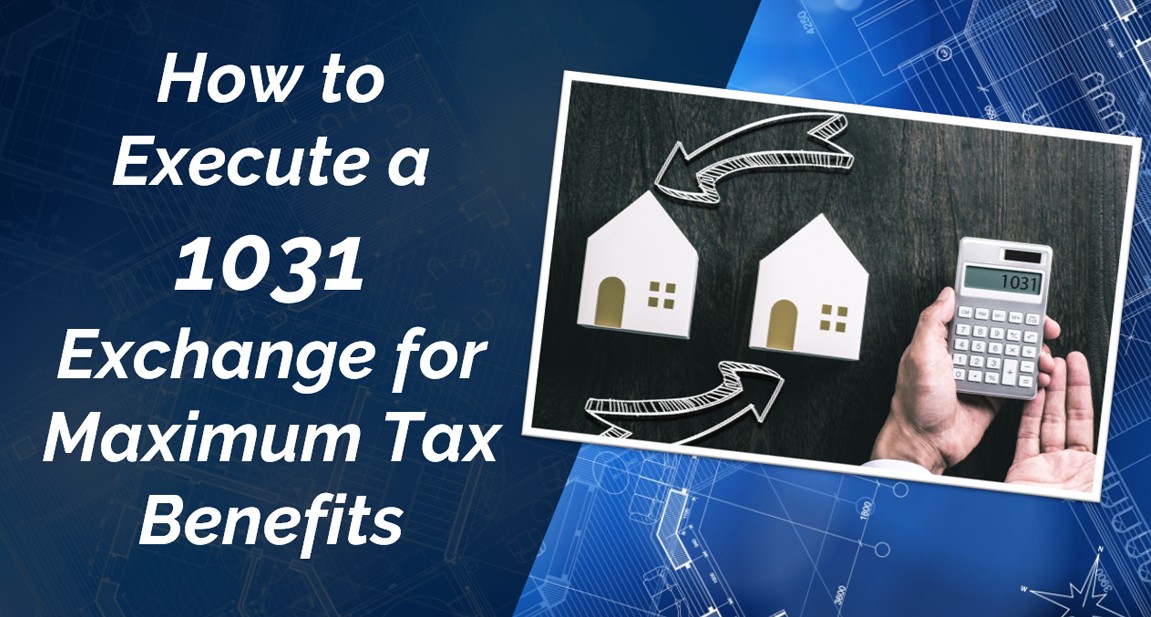
Matt Bowles: Can you share a little bit more about the 1031 exchange for people that are not familiar with 1031 or maybe they’ve heard of them, but you’ve actually done one and gone through it. Can you talk about why you chose to do that and then what the experience was like?
Marissa Davies: So, 1031 exchange is awesome for if it makes sense for you. I’m not an attorney. I’m not a CPA. So, ask your attorney. Ask your CPA. That is a disclaimer. And for this situation, for me, it worked very well because I purchased my property in 2011 and I bought it for 420 and I also had a lot of great incentives because it was a new build. And as you know, inventory was of abundance at that time. So, I bought it for 420 and in 2020 21, I sold it for 810 and I was able to basically defer the taxes until I see sell the replacement property. So, you have the relinquished property, which is the one that you’re selling first to buy your replacement properties, and you’re able to basically kick that tax burden a can down the road. I will also say I haven’t done it. Every time I’ve sold a property and had some capital gains, I’ve actually paid some as well. So, I’m serious when I say you need a good CPA to consult with.
And for this one, you know, it was great. We were, you know, in the, again, I’ve been blessed by the real estate gods from time to time because in 2021, that was when there was a whole tizzy of 3%, you know, maybe 4% interest rates, maybe 2%, like it was crazy. And putting offers in was stressful because you got to see a house and make a move. And today sometimes you have a little bit more time. But on top of that I also had. So, the guidelines are 45 days from the date of sale. You have to identify like physically on a form that I believe it’s filed with your qualified intermediary, which you do need that as well, when you’re doing a 1031. And you have to identify these properties formally that you’re going to close on within 180 days. And I think that people can get confused because they hear 180 days and they say, oh, six months, that’s plenty of time. No, that’s the time that you get to close on the property. But you have to choose the properties and hopefully be under contract with them is what I would say within the 45-day period.
And I actually was very successful with that and I was grateful because I actually closed on both properties within the 45-day period. So I was, I was searching before my Cal, like California property closed. And I was able to close because I could get anxious on situations like that. So, I said I wanted to wrap these up and I’ll tell you what, right we’re in 2026 now. It’s been five years. The property that I bought for 450 is worth 700 now. The property that I bought for 390 has been 1031 again. And I purchased a $300,000 property and a $330,000 property. So, you could just in that short amount of time, you could see the snowball effect of being able to kind of invest and then roll that over a little bit down, down the road. But 1031s are a very good way to take advantage of a deferred tax gain. The idea for a lot of people too is to defer it essentially until you die. And so, there’s opportunities on, you know, doing that as well, more passive income. But we won’t get into it because I could go down a rabbit hole.
Matt Bowles: Well, I know you also teach about the advantages of strategic relocation. Can you talk about what that means?
Marissa Davies: I love the way that you put that because that, that is what it is. When I move to Nashville, living in Southern California is beautiful. It’s sunny all the time. We barely get any rain. We’re always by the ocean. It’s amazing. And they say that you have a happy tax for that. They’re not wrong. The properties there are not the most affordable. I still own my property there. One property that I’m going to hold on to because I do love Southern California and believe in it. And strategically relocating to the Nashville area was a great idea for me because the investment opportunities here and in the surrounding area are way more abundant than they are in Southern California. I mean, you know, my 3:2, it’s got 1300 square feet, does have a pool, which is awesome. And that property is. Could probably sell for 680 to 700 tomorrow.
So, you could see that, you know, you could come over here. Not only can you get a little bit more for your money, depending on the area, of course, but in Nashville a 3:2, that would be like that. Pools are not as common, so it’s hard to say on that front, but you know, you wouldn’t have to spend that, that dollar amount depending on where you go. And so, properties are a little bit more affordable. Taxes, forget it. Cost of living, forget it. Like, way different than Southern California. And Nashville’s cool. There are some areas that you can pay me to move there, which is fine. But being able to relocate here. And I actually have a friend that did something similar. She moved back to Omaha to be able to invest there.
And so, you know, there’s something to be said about being in the area, being able to build your team, being able to snatch up, you know, a good deal when you see one, and being on the ground in that area, not to mention all of like, you know, maybe the tax advantages, moving from a different state like California to here, income tax, things like that. So, I think just the cost of living, but also being able to be in an area where properties are more affordable and landlord laws are very important for us because we don’t want to get a squatter on our hands. You want to be able to get somebody out if they’re not respecting your property. And that’s really different from the California real estate.
Matt Bowles: Well, Marissa, I love that you have had such a wide range of experiences in so many different real estate investing strategies. And I want to ask you at this point to reflect back on the last 15 plus years and thinking about your entire real estate investing journey. I want to ask you to identify the three most important lessons that you wish you knew when you were starting out. In other words, for somebody beginning their real estate investing journey today, what would be your top three pieces of real estate investing advice that you wish someone had given you when you were starting? Let’s begin, what would lesson number one be?
Marissa Davies: I had a buddy tell me it was actually the first step serious real estate investor I had ever met. I had already been investing for a few years. I didn’t know a lot of people. And he said, don’t listen to people that don’t have what you want. And I thought that was really powerful, and I never forgot it. And it’s the first thing that comes to mind with a good lesson, because I had naysayers and I had people twice my age that I highly respected that would say, I don’t know why you’re doing this, or I don’t know why you’re doing that, or I don’t know if this is a good idea. Why are you selling your house in California? I mean, there’s just so many things that could have stopped me from moving forward because I was listening to people that didn’t have the life that I wanted. And then you go and you listen to people that do have the life that you want, and, like, quite frankly, are also kind people.
I think that there’s something to be said about somebody who might have, you know, multiple properties, yet they’re still kind, humble, and show up authentically. I think there’s something really great to be said about that. So, I mean, even morally sound like I might be narrowing in on it here, but I think that the idea is to find the guru that your kind of, you know, heart to heart, can relate to. And so, if they have what you want and they are a person that you can regard as a good person, I think that that’s maybe where you might want to look and go to your path. And the naysayers are not where you need to go. I mean, even going with, like I said, there’s people, family members that have been kind of shaking their head at me, and then 10 years later, they’re calling me for real estate advice and questions, you know, so don’t listen to people that don’t have what you want, you know.
Matt Bowles: All right, Marissa, what would be lesson number two?
Marissa Davies: Okay, this one’s a hard one for me because I’m kind of almost saying it for myself. I love that you said I’ve been investing for 15 years, because that was insightful for me. I didn’t know as a house hacker, and I certainly didn’t call myself an investor in 2011, but I was. And creating clean systems from the beginning would be like a unicorn. It’s never going to be perfect. And I definitely have spent so much money not having a good system that if you can get those ducks aligned before you get your first tenant, then that could be really awesome for you to save you a lot of headaches, you know, later down the road. Bookkeeping wise, team wise, like maybe a CPA you don’t have to work for, wait for everything to come into play. But I created entities in multiple states because I had multiple properties in multiple states.
And by not knowing what I was doing and honestly over researching and getting in my head about it, I created a big mess that was unmanageable. And so, I think, you know, keeping it simple is probably another piece I should put in there. Keeping it simple and creating systems, clean systems from the beginning would be so helpful. From rent collection, bookkeeping, lease agreements, signing platforms, teams like cleaners, plumbers, electricians. Nobody wants to be paying top dollar for an electrician to come out, you know, from the Yelp. We don’t have yellow pages, but, you know, you know what I’m saying? From Google, right? So, yeah, I think that that’s a great one. And I will also say one to be gentle with yourself about because it’s not going to be perfect, but clean is nice. Little bit cleaner might be a little bit nicer, you know.
Matt Bowles: All right, Marissa, and what would be lesson number three?
Marissa Davies: Okay, I think not, you know, not to dwell on your mistakes and to actually embrace them. I got kind of stopped in my tracks for three years after that flip that I attempted. And I could have kept on, I could have kept on going, and I didn’t because I was really upset with. Listen, I had a big resentment toward the contractor. I really did. And who was that hurting? I’m sure he’s doing bids, he’s doing deals, he’s doing whatever. And here I am totally seeing stopped and not moving forward in my investing journey. And I had a moment where I realized that if I was able to just debrief on a mistake, you know, I don’t believe in mistakes anymore. But if I was able to debrief on what happened and what I could do next time, no matter what you use to do that I know people that voice note to themselves to talk through it sound like a crazy person, but it’s cool, it’s fine.
Go on a walk, talk through it by yourself when you’re just, like stressed out over it, debrief, see what you can do differently. See how you could show up differently and then bravely show up as that person. You know, it’s not easy to tell a contractor that you have to retile this entire bathroom or you’re not getting your money because it looks. Doesn’t look good, you know, So I think, you know, not to dwell on your mistakes and to keep moving forward. And I do think that pausing and reflecting on them is kind of paying like your mistake a little bit of homage where it’s like you’re embracing it because you’re able to see what you could do differently next time. And the next time it shows up, you’re going to notice it.
If you don’t debrief and you just like either ignore it or push past it too fast without looking at it, there’s no way to clean it up. But if I’m able to reflect and look at what I’ve done, the next time a contractor does that, am I going to be sweaty palmed, nervous, maybe even near tears when I have to tell him to redo the whole bathroom? Maybe. But it’s going to feel darn good when you walk away from it and they’ve redone it and you’ve showed up for yourself and protected your business for yourself instead of being like the people pleaser, you know.
Matt Bowles: All right, Marissa, I think those are three really important lessons. And at this point, I want you to let folks know how they can connect with you, find you, follow you on social media. How would you like people to come into your world?
Marissa Davies: Yes, I hope they do. I love talking to people kind of one on one in my story. And social media is awesome. You know, you’re able to connect with people on a deeper level. I share a lot of knowledge. So, if you want to follow me on Instagram @marissadavies and if you want to add me on Facebook at Marissa Davies, you can find me in those two areas in my Instagram bio as well. You can have a link to be able to meet with me. So, if you have any interest in that, I would love to meet with people one on one as well.
Matt Bowles: That is amazing. If you’re offering to do free one on one consults with people, that’s super incredible. We’re going to link that up in the show notes so folks can just go to one place and you’ll find direct links there for all the ways to find and follow and connect and schedule that free call with Marisa. This was great. Marissa, thank you so much for being on the show. Thank you.
Marissa Davies: Are you kidding me? Thank you for having me. I could talk about real estate all day and I’m so grateful that you provided the space today.
Matt Bowles: All right, good night, everybody.